



It usually starts the same way. One confident bite, followed by a sudden pause and then the heat kicks in. Your eyes water, your face warms up, and you begin to wonder what exactly you just signed up for. Spicy food has a way of turning an ordinary moment into a full sensory experience and behind that fiery drama lies something surprisingly measurable.
The Science of Spice: Why Chilli Peppers Feel Like Fire?
What makes this even more interesting is that spice is not really a taste at all. It is a feeling.
When you eat a chilli, a compound called capsaicin gets to work. It binds to heat receptors in your mouth the same ones that react to actual high temperatures. Your brain does not know the difference, so it sounds the alarm. Suddenly, your mouth feels like it is burning even though nothing is technically hot.
That is why spicy food makes everything escalate so quickly. The sweating, the tears, even that strange thrill some people enjoy is all your body reacting to a perfectly harmless illusion.
The History of Scoville Heat Units (SHU): From Wilbur Scoville to Modern Labs
Now imagine trying to measure something so personal. Back in 1912, a pharmacist named Wilbur Scoville decided to do exactly that.
His approach was equal parts clever and chaotic. He diluted chilli extracts in sugar water and asked people to taste them again and again until the heat disappeared. The more it had to be diluted, the hotter the chilli. This became the Scoville Scale, measured in Scoville Heat Units or SHU.
It worked, but it relied on human taste, which as you can imagine is not always consistent especially when tongues are on fire.
The World’s Hottest Chillies
Over time, the quest for heat turned into something of a global challenge. Growers began pushing chillies to their limits, creating peppers that are less about flavor and more about endurance.
At the top sits the Carolina Reaper, famous for crossing the 2 million SHU mark. Close behind is the Trinidad Moruga Scorpion, known for a slow burn that builds before it overwhelms. And then there is the Bhut Jolokia or Ghost Pepper, once the world’s hottest, still packing enough heat to make anyone pause.
These chillies are not just ingredients anymore they are experiences.
High-Performance Liquid Chromatography (HPLC): How We Measure Heat Today
Thankfully, we no longer rely on brave volunteers with sensitive taste buds.
Modern science uses a method called High Performance Liquid Chromatography. Instead of tasting the heat, it measures the exact amount of capsaicin present in a chilli. The results are precise, consistent, and far less painful to obtain.
Once measured, the values are converted back into SHU, keeping the original scale alive but with far better accuracy.
How Naagin Uses the Scoville Scale for the Perfect Blend
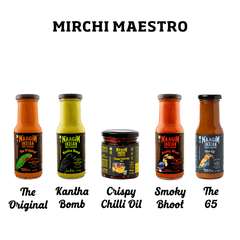
At Naagin, we do not just make hot sauce, we build it layer by layer, chilli by chilli, with a deep respect for heat and flavor. For us, spice is not about overwhelming you, it is about taking you on a journey.
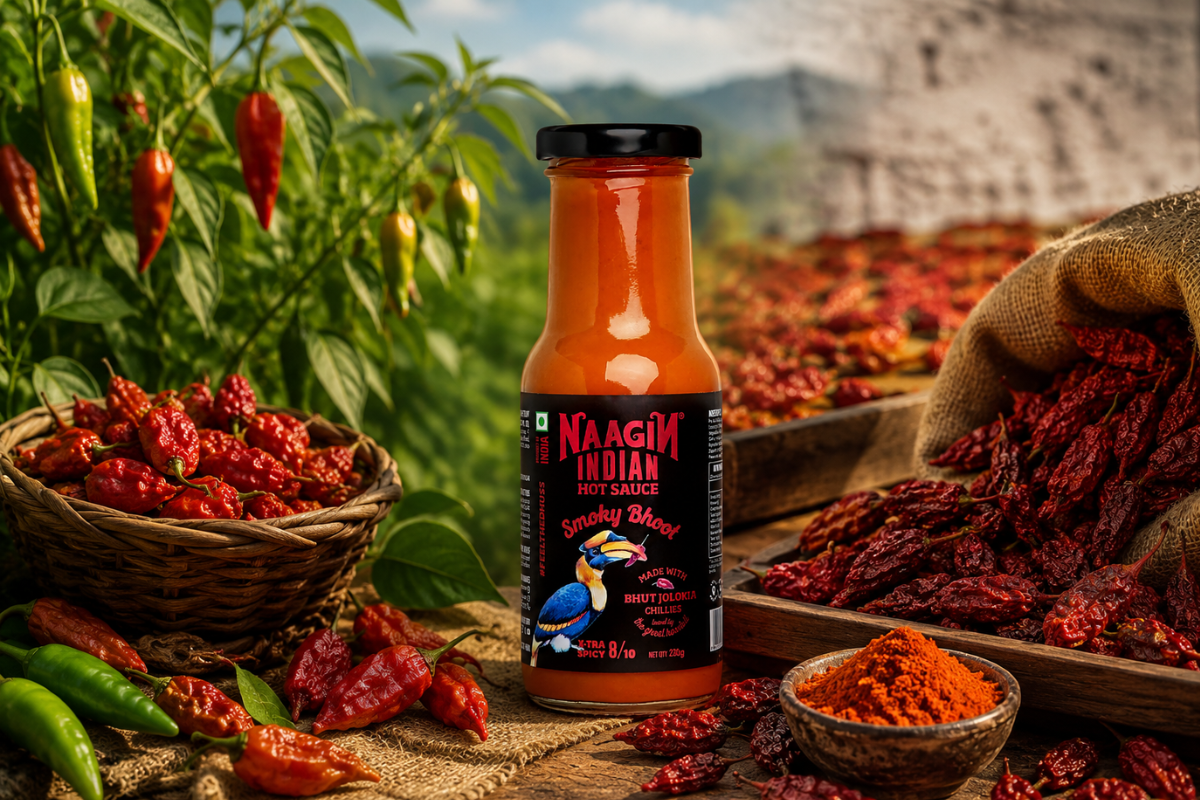
We start with some of India’s most iconic chillies and this is just a glimpse of the range we work with. Bhut Jolokia brings the fire bold, intense, and unforgettable. Guntur chillies add a rich, rounded warmth that feels familiar yet exciting. And then come the Kanthari or Bird’s Eye chillies that are small, sharp, and bursting with personality.
But what really matters to us is balance. We carefully blend these chillies to create sauces where the heat builds, lingers, and evolves with every bite instead of hitting you all at once. Whether you are just starting your spice journey or you live for that fiery kick, we make sure there is a Naagin hot sauce that pulls you in and keeps you coming back for more. It is never just about how hot it is, it is about how good it feels.
You May Also Like






Latest Posts
BESTSELLERS

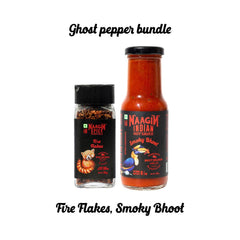
Smoky Bhoot
Rs. 235.00

The Original
Rs. 235.00

Guntur Crisp
Rs. 300.00

Salsa
Rs. 190.00

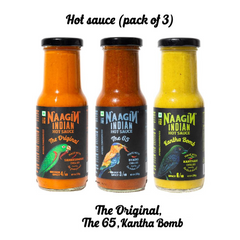
Hot Sauce (Pack of 3)
Rs. 680.00

Pizza & Pasta Sauce
Rs. 250.00